
1. Why AC Pipe Material Matters
AC pipes are responsible for carrying refrigerant gas between the indoor and outdoor units. If the pipe quality is poor, cooling efficiency drops, electricity consumption increases, and leakage issues become common. This is why choosing the right pipe material is critical.
2. What Is a Copper AC Pipe?
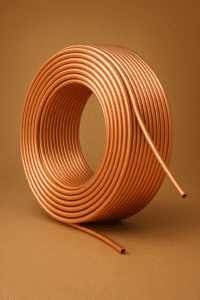
A copper AC pipe is made from high-purity copper, usually 99.9%. It is widely used in split ACs, inverter ACs, and commercial air conditioning systems due to its excellent thermal conductivity and strength.
Key features of copper AC pipes:
Better heat transfer
Strong and durable
Easy to repair
Long lifespan
3. What Is an Aluminium AC Pipe?
Aluminium AC pipes are made from lightweight aluminium metal. These pipes are mainly used to reduce manufacturing cost and make AC units cheaper. Aluminium pipes are common in budget or entry-level AC models.
Key features of aluminium AC pipes:
Lightweight
Lower initial cost
Less durable compared to copper
4. Cooling Efficiency Comparison
Copper has much higher thermal conductivity than aluminium. This means copper pipes transfer heat faster, resulting in:
Faster cooling
Better temperature stability
Lower compressor load
Aluminium pipes are slower in heat transfer, which can slightly reduce overall AC performance.
5. Durability and Strength
Copper pipes are stronger and more flexible. They can handle higher pressure and extreme temperatures without cracking. Aluminium pipes are more fragile and can get damaged easily during installation or maintenance.
6. Leakage and Repair Issues
Copper pipes can be repaired easily through brazing or welding if leakage occurs. Aluminium pipes are difficult to repair, and in most cases, the entire pipe needs replacement. This increases maintenance cost over time.
7. Corrosion Resistance
Copper has natural corrosion resistance and performs well in humid and coastal areas. Aluminium pipes are more prone to corrosion, especially when exposed to moisture and chemicals.
8. Installation Cost Comparison
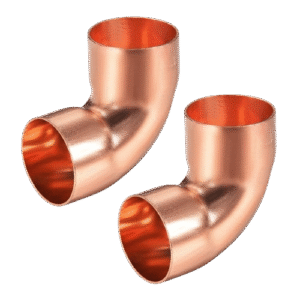
Copper AC pipes cost more initially, but installation quality is better and long-lasting. Aluminium pipes are cheaper to install, but may require replacement sooner, increasing long-term expense.
9. Electricity Consumption Impact
Due to better heat transfer, copper pipes help reduce compressor load, which leads to:
Lower electricity bills
Better energy efficiency
Aluminium pipes may slightly increase power consumption over time.
10. Lifespan Comparison
Copper AC pipes can last 15–20 years with proper maintenance. Aluminium pipes generally have a shorter lifespan of 7–10 years, depending on usage and environment.
11. Environmental Impact
Copper is 100% recyclable without loss of quality, making it an environmentally friendly option. Aluminium is also recyclable, but copper recycling is more efficient and valuable.
12. Price Difference in 2026
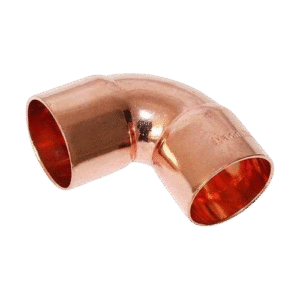
In 2026, copper AC pipes are expected to remain more expensive due to high global copper demand. Aluminium pipes will stay cheaper, but the price gap may reduce as manufacturing technologies improve.
13. Which One Should You Choose?
Choose copper AC pipes if:
You want long-term performance
You live in hot or humid regions
You prefer lower maintenance
Choose aluminium AC pipes if:
You are using the AC for short-term needs
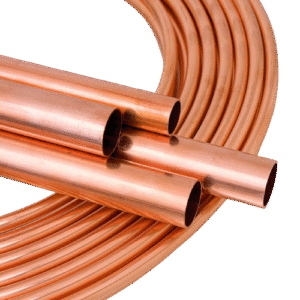
While aluminium AC pipes may look attractive due to lower price, copper AC pipes clearly outperform aluminium in cooling efficiency, durability, repairability, and long-term cost savings. For most residential and commercial users in 2026, copper remains the smarter and more reliable choice.